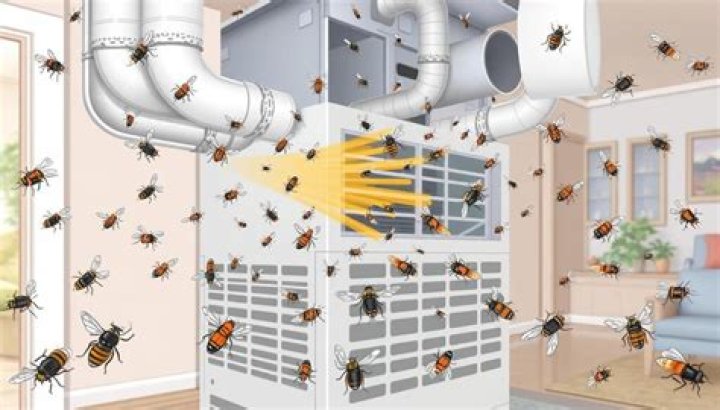
Because there is not enough ventilation, concentrations of indoor air pollutants can build up from inside sources as they are not released into the greater outdoor expanse. The design of modern homes to reduce air leakage (with improved insulation) may also lead to lower air exchange between the indoors and outdoors.
What are the sources of indoor and outdoor air pollution?
Other substances in indoor air are of natural origin, such as radon, mold, and pet dander. Outdoor sources: Outdoor air pollutants can enter buildings through open doors, open windows, ventilation systems, and cracks in structures. Some pollutants come indoors through building foundations.
Is indoor air bad?
Poor indoor air quality (IAQ) has been tied to symptoms like headaches, fatigue, trouble concentrating, and irritation of the eyes, nose, throat and lungs. Also, some specific diseases have been linked to specific air contaminants or indoor environments, like asthma with damp indoor environments.
What is considered indoor air pollution?
Common residential indoor pollutants include excessive moisture, volatile organic compounds (VOCs), combustion products, radon, pesticides, dust particles, viruses, and bacteria. … Most control strategies help with both gases and “particulates” like dust, pollen, and smoke particles.Why is indoor air polluted?
The indoor pollutants are more densely concentrated than outside. Simply because there are limited space and air in your home than the outside. And that is why the pollutants are more closely packed. And with each breath, you are inhaling a larger volume of pollutants than you do outside your home.
Why is indoor or outdoor pollution a concern?
Exposure to indoor and outdoor air pollutants may increase an individual’s risk for morbidity and mortality from a variety of different conditions in multiple organ systems. These exposures cause and/or exacerbate respiratory diseases and diseases in other organ systems.
What are some examples of outdoor air pollutants?
These six pollutants (carbon monoxide, lead, nitrogen dioxide, ozone, particulate matter of different size fractions, and sulfur dioxide) are common in outdoor air and can harm human health and the environment.
Is outdoor air better than indoor air?
It’s easy to believe that the air quality outside is worse than the air quality inside. … According to the EPA, however, the levels of indoor air pollutants are often 2 to 5 times higher than outdoor levels, and in some cases these levels can exceed 100 times that of outdoor levels of the same pollutants.What are the 4 major indoor air pollutants in your house?
- Asbestos.
- Biological Pollutants.
- Carbon Monoxide (CO)
- Formaldehyde/Pressed Wood Products.
- Lead (Pb)
- Nitrogen Dioxide (NO2)
- Pesticides.
- Radon (Rn)
Fresh air generally has higher levels of oxygen (not to mention lower levels of pollution) than indoor air. Exposure to more oxygen causes the blood vessels in your lungs to dilate, which improves cleansing and tissue repair within them, and helps them exchange gases more easily.
Article first time published onWhich is more polluted indoors or outdoors?
According to the Environment Protection Act, 1986, the levels of indoor air pollutants are often 2-5 times higher than outdoor levels. In some cases, these levels can exceed the outdoor levels of the same pollutants 100 times.
What are the causes of indoor air pollution in which regions is indoor air pollution a problem?
Indoor air pollution is caused by burning solid fuel sources – such as firewood, crop waste, and dung – for cooking and heating. The burning of such fuels, particularly in poor households, results in air pollution that leads to respiratory diseases which can result in premature death.
Is it bad to be outside with bad air quality?
If the air quality falls in the unhealthy or red range (151-200), the AQI recommends that people with compromised health avoid prolonged outdoor work or activity. Everyone else who is not health-compromised should limit the time they spend outdoors.
Is indoor air quality getting worse?
In the last several years, a growing body of scientific evidence has indicated that the air within homes and other buildings can be more seriously polluted than the outdoor air in even the largest and most industrialized cities. Other research indicates that people spend approximately 90 percent of their time indoors.
Why is indoor air quality worse at night?
This is because, as the temperature drops during the nighttime hours, the atmosphere traps car emissions, CO2, and other pollutants in the house and down near the ground – and the effect is much worse if spaces inside the home are poorly ventilated. …
Does staying indoors help air quality?
Staying indoors Although ambient air pollutants such as particulate matter, ozone, and other gases infiltrate indoors from outdoors, concentrations are generally lower indoors compared to outdoors, and spending time indoors generally reduces exposure to ambient air pollutants.
How does outdoor air quality affect indoor air quality?
Outdoor air pollution is one of several significant contributors to poor indoor air quality. … However, the circulation of outdoor air is necessary to creating healthy indoor air quality. Recirculated air, if not properly filtered, allows contaminants to build up over time and become harmful to respiratory health.
What is indoor air pollution Slideshare?
Indoor Air Pollution is the term used to describe the amount of contaminants in the air inside a building from sources such as cigarette smoking, fuel combustion for heating or cooking, certain wallboards, carpets, or insulation as well as the geology of the area (radon in soil or rocks beneath the structure).
What does 166 air quality mean?
When air quality reaches 151-200, it is considered unhealthy; everyone may now begin to experience problems, with sensitive groups feeling more serious effects.
What are the symptoms of poor outdoor air quality?
- Difficulty breathing normally.
- Cough with or without mucus.
- Chest discomfort, tightness, pain.
- Throat irritation.
- Wheezing.
- Shortness of breath.
- Unusual fatigue.
What city has the worst air quality?
RankCity1Los Angeles-Long Beach, CA2Visalia, CA3Bakersfield, CA4Fresno-Madera-Hanford, CA