Medical interventions are measures to improve health or alter the course of an illness and can be used to prevent, diagnose, and treat disease. 2. Bioinformatics, the collection, classification, storage, and analysis of biochemical and biological information using computers, can be used to identify disease pathogens.
What is the purpose of medical intervention?
In medicine, a treatment, procedure, or other action taken to prevent or treat disease, or improve health in other ways.
What is a medical intervention Pltw?
In PLTW Medical Interventions (MI), students follow the life of a fictitious family as they investigate how to prevent, diagnose, and treat a disease. … Interventions may range from simple diagnostic tests to treatment of complex diseases and disorders.
What medical intervention can be used to treat and contain the outbreak of an infectious disease?
Antibiotics and Antivirals Antibiotics are powerful medicines that fight bacterial infections. They either kill bacteria or stop them from reproducing, allowing the body’s natural defenses to eliminate the pathogens. Used properly, antibiotics can save lives.What is medical interventions class about?
Course Description: Medical Interventions (MI) allows students to investigate the variety of interventions involved in the prevention, diagnosis, and treatment of disease as they follow the lives of a fictitious family. … Interventions may range from simple diagnostic tests to treatment of complex diseases and disorders.
What are some medical interventions?
- Vaccines. …
- Nutritional interventions. …
- Maternal and neonatal interventions. …
- Education and behaviour change. …
- Environmental alterations. …
- Vector and intermediate host control. …
- Drugs for the prevention of disease. …
- Injury prevention.
How medical interventions are used in the diagnosis of disease?
Medical interventions are measures to improve health or alter the course of an illness and can be used to prevent, diagnose, and treat disease. 2. Bioinformatics, the collection, classification, storage, and analysis of biochemical and biological information using computers, can be used to identify disease pathogens.
How do you contribute to the prevention of disease outbreak?
- Immunise against infectious diseases.
- Wash and dry your hands regularly and well.
- Stay at home if you are sick.
- Cover coughs and sneezes.
- Clean surfaces regularly.
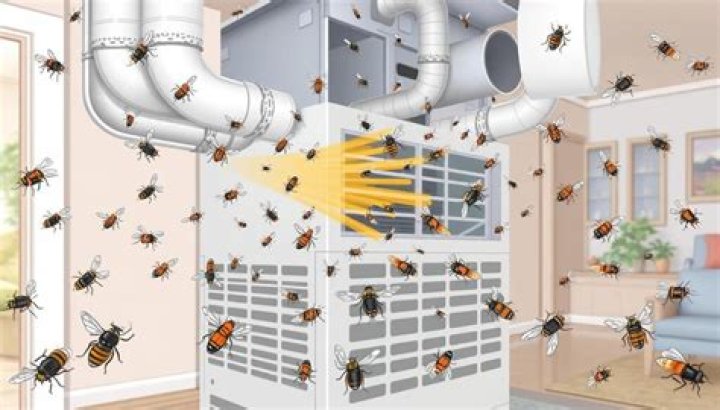
- Ventilate your home.
- Prepare food safely.
- Practise safe sex.
What are the three types of prevention interventions?
- Primary Prevention—intervening before health effects occur, through.
- Secondary Prevention—screening to identify diseases in the earliest.
- Tertiary Prevention—managing disease post diagnosis to slow or stop.
The simplest measures, known as nonpharmaceutical interventions (NPIs), are forms of prevention that require no vaccines or prescriptions. This includes staying home when you are sick and washing your hands. These methods are particularly effective against pathogens that can be spread through person-to-person contact.
Article first time published onWhat does Sue have in medical interventions?
Sue is a college freshman who is presenting symptoms of an unknown infectious disease which students eventually identify as bacterial meningitis. Sue survives the infection but is left with hearing impairment.
Why is PCR used in the process of DNA sequencing medical interventions?
Why is PCR used in the process of DNA sequencing? It is used because it copies DNA sequences extremely fast, and can be used to turn a too small data set into a usable one. This can be used on examples like mummies and crime scenes. It can also identify DNA by tagging the bases and seeing what DNA is for what pathogen.
How can DNA sequencing be used to identify pathogens?
Quantitative Polymerase Chain Reaction (qPCR) technique is capable of amplification and detection of a DNA sample from a single bio-agent cell within 30 minutes. Knowing the pathogen nucleic acid sequence enables scientists to construct oligos to detect the pathogen.
What are some common medical interventions that may be used during childbirth?
The most common are assisted delivery by forceps or a vacuum (ventouse) cup, an episiotomy or an induced labour. Whatever the method used, an intervention occurs when it becomes clear that you will be unable to give birth without some kind of assistance or your baby is in distress and needs to be born more quickly.
What do you do in biomedical innovations?
Students will design and work through a protocol to construct and clone recombinant DNA. They will perform DNA ligation and transformation, as well as restriction analysis of the completed plasmid. Alternatively, students will work through a more in-depth DNA cloning and sequencing project.
What is any measure whose purpose is to improve health or alter the course of a disease?
Medical interventions are any measure whose purpose is to improve health or alter the course of disease.
What are some examples of interventions?
Some examples of useful interventions include building relationships, adapting the environment, managing sensory stimulation, changing communication strategies, providing prompts and cues, using a teach, review, and reteach process, and developing social skills.
What types of interventions are there?
- The Simple Intervention.
- The Classical Intervention.
- Family System Intervention.
- Crisis Intervention.
How are appropriate intervention strategies determined?
Intervention strategies should be selected based on: the characteristics of the community and the targeted participants. … the experience of other actors working in the same setting, or with similar interventions; good practice models can be used and modified if needed.
What is preventive method?
Primary prevention. Methods to avoid occurrence of disease either through eliminating disease agents or increasing resistance to disease. Examples include immunization against disease, maintaining a healthy diet and exercise regimen, and avoiding smoking.
What does prevention mean in health?
Listen to pronunciation. (pree-VEN-shun) In medicine, action taken to decrease the chance of getting a disease or condition.
Why is prevention important?
Preventive care can drastically increase your lifespan because it allows you to catch things early and treat them much easier. For example, if you practice weight management and lose excess weight/keep that weight off, you will increase your lifespan and prevent serious diseases like type 2 diabetes and heart disease.
What are the four strategies used to promote health and prevent disease?
These preventive stages are primordial prevention, primary prevention, secondary prevention, and tertiary prevention. Combined, these strategies not only aim to prevent the onset of disease through risk reduction, but also downstream complications of a manifested disease.
What is the best intervention to prevent the spread of infection?
Proper hand washing is the most effective way to prevent the spread of infections in hospitals. If you are a patient, don’t be afraid to remind friends, family and health care providers to wash their hands before getting close to you. Other steps health care workers can take include: Covering coughs and sneezes.
What are the different ways used for the treatment and prevention of diseases Class 9?
- Have a balanced diet.
- Maintain personal hygiene.
- Keep your surroundings clean.
- Consume clean food and water.
- Keep your environment and air clean.
- Maintain a proper schedule of exercise and relaxation.
- Keep away from any kind of addictions like alcohol or drugs.
What is important to prevent the infectious diseases?
Washing your hands with soap and water, thoroughly and frequently. Covering your nose and mouth when you sneeze or cough. Disinfecting frequently touched surfaces in your home and workplace. Avoiding contact with sick people or sharing personal items with them.
How do you manage an outbreak of infection?
- Initial investigation and risk assessment. …
- Declaration of outbreak. …
- The OCT convene. …
- Implementation of immediate control measures. …
- Treatment. …
- Ongoing monitoring and management. …
- Declaration that the outbreak is over. …
- Final report.
What are 3 ways you can help play a role in the network of organizations that investigate foodborne illness when you are sick?
- Talk to Your Healthcare Provider. Talk to your healthcare provider about whether you should be tested for a foodborne disease. …
- Write Down What You Ate and What You Did. …
- Report Your Illness to Your Health Department.
What are the primary approaches to prevention of foodborne illness?
Following four simple steps—clean, separate, cook, and chill—can help protect you from food poisoning. Learn which foods are associated with food poisoning: raw or undercooked meat and poultry, fruits and vegetables, raw or lightly cooked eggs, unpasteurized (raw) milk, and raw shellfish.
What was Sue diagnosed with?
Susan RodriguezDiedFebruary 12, 1994 (aged 43) Victoria, British Columbia, Canada
What is Sue's diagnosis?
Broadcaster and comedian Sue Perkins has revealed that she was diagnosed with a benign brain tumour in 2015. The presenter, 51, said she didn’t realise she was suffering from the condition until she underwent a health screening as part of a show she was working on at the time, Supersizers.